
Vape Detection in Public Real Estate: Policy and Innovation
Public real estate authorities face a knotty problem: renters' right to quiet enjoyment on one side, and the obligation to preserve healthy structures and safeguard neighbors from secondhand direct exposure on the other. Vaping complicates the image. The aerosol is more difficult to smell than cigarette smoke, rules are irregular, and enforcement typically falls on property managers who do not wish to be referees. That is where vape detection technologies, policies, and the everyday realities of multifamily living intersect.
I have actually dealt with real estate operators, school districts, and hospitality managers who trialed sensing units in bathrooms, corridors, stairwells, and even laundry rooms. The lessons rollover to public real estate, but with an extra layer of equity and due process concerns. The innovation can help, however just if it is paired with clear policy, cautious implementation, and sincere conversation with residents.
What vape detection in fact measures
Most commercial vape detectors rely on a combination of particle sensing and unpredictable organic substance (VOC) analysis. A vape sensor reads spikes in submicron particles and particular VOC patterns produced by heated propylene glycol, glycerin, flavorings, and sometimes THC solvents. Some devices include a microphone to spot loud noises or tampering, however the credible designs process noise on-device and do not save voice material. That distinction matters for privacy.
Accuracy varies by aerosol type and space conditions. Nicotine vapes utilizing propylene glycol and glycerin tend to produce noticeable particle spikes that stick around for minutes. THC carts can be more difficult, depending upon the diluents. Temperature level, humidity, and ventilation highly affect readings. In a securely sealed restroom, a single five-second puff can set off an alert. In a well-ventilated kitchen, repeated puffs might barely cross a threshold.
One essential subtlety from field work: aerosols from hairspray, dry shampoo, some cleansing products, and misting disinfectants can mimic vape signatures for specific sensing unit algorithms. The better detectors utilize multi-sensor blend and pattern acknowledgment to minimize incorrect positives. Even with that, a small incorrect alarm rate remains, specifically right after housekeeping or upkeep activity. You can not wish that away; you plan for it.
Why public housing is a special case
Schools and hotels typically treat vape detection as a compliance tool. Public housing brings legal and ethical dimensions that need more restraint.
Federal policy currently limits smoking in public real estate. Because 2018, HUD needs smoke-free policies that prohibit lit tobacco inside units and within 25 feet of buildings. Vaping is not generally covered. Numerous firms extend the restriction to e-cigarettes, mentioning residue and indoor air quality. Others allow vaping inside units while prohibiting it in typical areas. Tenants sometimes rely on vaping as a nicotine harm reduction step far from flammable cigarettes, and special needs lodgings can get in the discussion when nicotine dependence converges with other health conditions.

Residents in subsidized real estate also have less alternatives to move if they do not like a policy. Security concerns run hotter, with good factor. Cams in hallways and audio-recording gadgets inside structures raise longstanding trust problems. Even if a vape detector does not tape-record conversations, it can feel like one more sensing unit monitoring daily life. The governance and communication around implementation make or break acceptance.
Plumbing the policy space, then setting rules
Before installing a single gadget, housing authorities ought to reconcile policy with practice. That suggests reading the existing rules and regulations, HUD guidance, any regional clean indoor air regulations, and lease language.
Piecemeal rules invite dispute. If vaping is allowed in units but not in corridors, a sensor in vape detection systems the corridor that activates when an occupant unlocks after vaping will cause arguments. If vaping is restricted in units, enforcement should be specific about cautions, documents standards, and appeal pathways. The typical development appears like notice, education, deal of cessation resources, and only then rent enforcement for duplicated offenses. Put time windows and escalation actions in composing, and translate them into the languages spoken in the community.
I have seen smoother rollouts where the authority convened a tenant advisory committee before adoption. They evaluated sample signals, asked about data retention, and set peaceful hours for notifications to avoid late-night calls over short-term readings. The committee also determined high-risk spots, like elevators and stairwells where aerosol wanders and individuals gather together, so the number of gadgets might be kept low and targeted.
The tech stack behind vape detectors
Housing operators normally experience two classes of products.
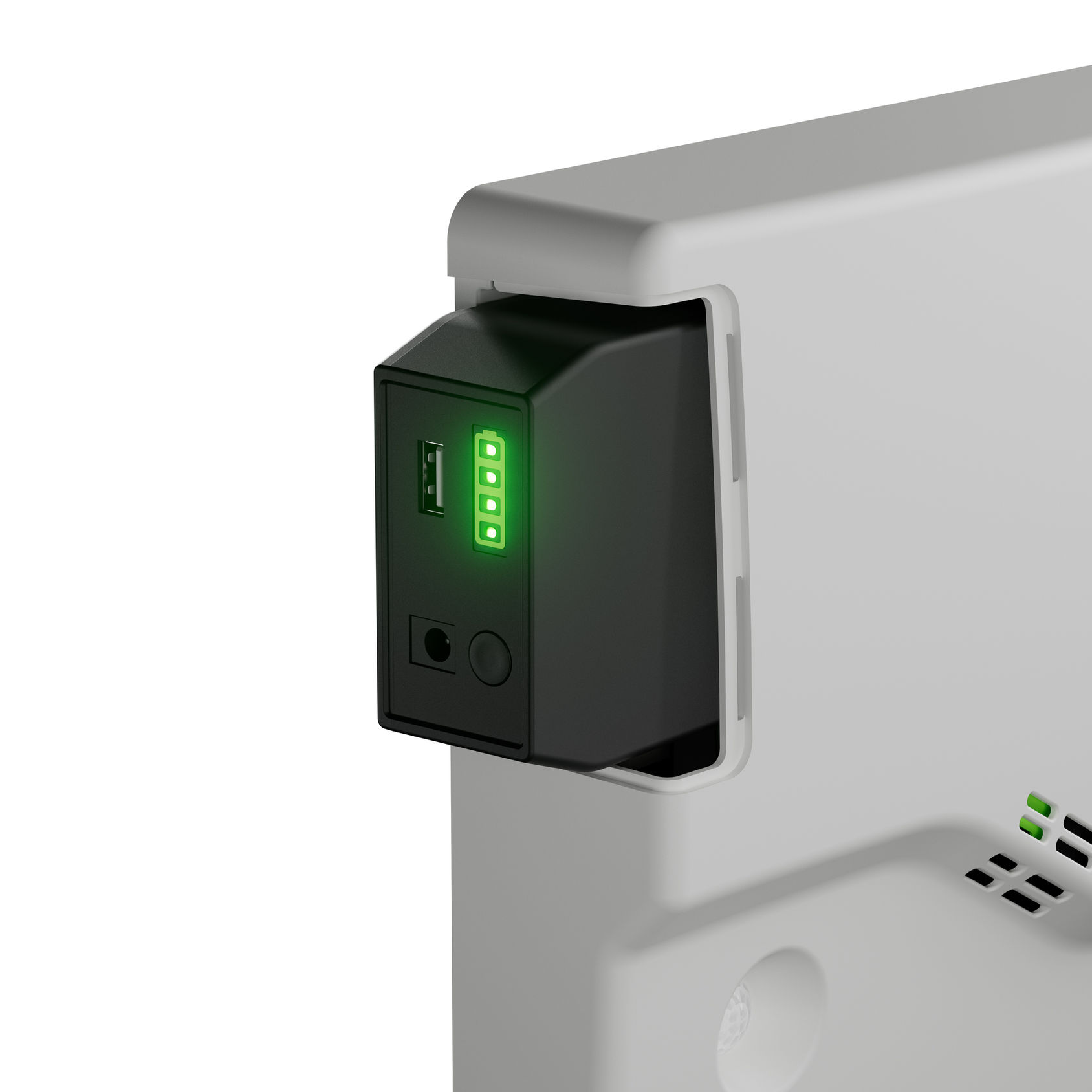
The first is stand-alone vape detectors that mount on a ceiling or wall, link to Wi-Fi or PoE, and push alerts to a control panel or SMS. These are common in schools. They require constant connection, plus a method to manage devices across multiple structures and networks. IT departments fret about protected VLANs, MAC address whitelisting, and firmware updates. Plan for those information up front.
The second is incorporated ecological sensors that track air quality, temperature, humidity, CO2, and often motion or noise level, with vape detection as a software application feature. These can serve structure health objectives beyond enforcement. For public real estate, that double use makes sense. If a device helps determine inadequate ventilation or mold-prone zones in addition to vape detection, locals tend to view it as a building health tool, not a gotcha.
Calibration matters. A vape detector's default threshold might be tuned for school restrooms where a fast alert is the goal. In an apartment passage with cross-ventilation, the very same limit might end up being chatty. Gadgets that enable per-device level of sensitivity settings, event period filters, and time-based alert guidelines are much better fits. Great suppliers supply a training duration so you can view signal patterns, adjust thresholds, and tag false alarms before any enforcement starts.
Privacy, audio, and data retention
Your policy ought to say clearly what the devices do and do refrain from doing. Savvy residents will ask.
Make it clear if the detector has any audio elements. Some designs measure dB level to recognize tampering or crowding. That is not the same as recording speech, however the subtlety gets lost. If the hardware includes a microphone, need documents that audio is processed locally and not stored. If any audio can be forwarded to the cloud, even as a clip, numerous housing companies select to disable the function or select hardware without it.
Data retention limitations protect both homeowners and the housing authority. In my experience, keeping raw sensor information for 30 to 90 days suffices to investigate occurrences and change policy. Summary stats can be kept longer for pattern analysis. Prevent saving personally identifiable details unless required to link an occurrence to an unit, and limit access to a small, experienced group. The less people who can view real-time informs, the less opportunities for misuse.
Finally, release the retention schedule. Tape it beside the neighborhood bulletin board notices about garbage collection and extermination dates. Openness helps.
False positives and the maintenance cart problem
When an upkeep crew wheels a cart loaded with cleaners through a corridor, even a cautious team will fog the air with alcohols and scent substances. Some brand names push a sweet aerosol that journeys vape detection algorithms. The pattern repeats after insect control spraying and after heavy usage of aerosolized air fresheners.
Two approaches decrease headaches.
First, create a whitelist window. If the janitorial schedule says bathrooms on floors 3 and 4 get cleaned in between 10 a.m. and noon on Tuesdays, throttle notifies for devices in those zones throughout that window, or tag them as low priority. The gadget needs to still log occasions, but absolutely nothing should escalate unless the signal looks severe or lasts far longer than expected.
Second, train staff to acknowledge prospective triggers. This is not a one-hour session with a slide deck. It works better to have a short, laminated card on the cart listing 3 or 4 typical items that cause signals and suggesting options. Coaches in schools moved far from certain disinfectant mists after repeated false alarms. Building personnel can do the exact same with a couple of brand tweaks.
Placement method that appreciates residents
Where you set up vape detectors says as much as the policy itself. The objective in public real estate must be to implement rules in common areas and maintain personal privacy in units.
Corridors, stairwells, utility room, and community rooms are the usual candidates. Elevators are a judgment call. They can be hotspots for vaping, but they are enclosed and susceptible to nuisance signals from fragrance or antiperspirant sprays. If you position a vape detector in an elevator, choose a design with fast decay filtering and require a 2nd reading before signaling. Stairwell landings near roof access are usually greater yield and less contentious.
Inside systems is where policy and trust collide. Some firms prohibit cigarette smoking and vaping in units however depend on examinations, neighbor complaints, and residue proof rather than in-unit sensing units. That course prevents direct security issues. If an authority thinks about in-unit detectors due to the fact that of duplicated events, renter consent and clear limitations become vital. A lease addendum is inadequate by itself. The gadget should be restricted to non-sensitive areas like the kitchen or near the unit's front door, not bedrooms or bathrooms. And the alert course must route to management, not security, with a choice for education first.
A practical issue develops in skyscrapers with strong stack result. Vapor from one unit can wander to another floor and activate a detector. If your response is to knock on the closest door, you can end up blaming the wrong renter. Before taking any action connected to a hallway alert, substantiate it with timing, current maintenance activity, and if possible, multiple sensors.
Interpreting signals like a practitioner
Detectors produce more than binary notifies. The event typically consists of particle density, VOC levels, period, and a self-confidence rating. Learn to read these patterns.
A brief spike followed by a rapid return to standard often correlates with a single puff or a non-vape aerosol burst. A continual plateau with moderate difference over numerous minutes looks like duplicated vaping. Extremely high particle counts with very little VOC modification in some cases indicate dust or building disturbance, not vaping.
Correlate events with structure data. Did the a/c cycle just alter? Are windows open on a windy day? Did the elevator stop three times in a row with teenagers going into and leaving? Pattern context prevents overreach. Early in one deployment, a real estate manager kept getting dusk notifies near a stairwell. After examining electronic camera video at the building entryway, it ended up being locals returning from work, spraying antiperspirant in the stairwell before heading upstairs. A sign and a tip solved it faster than citations.
Communicating with residents without scolding
Language matters. Residents are the stewards of their homes. Framing vape detection as a structure health step that protects children, older adults, how vape detection works and people with asthma gains more approval than punitive messaging.
Explain limitations too. Tell locals that the sensors are not ideal, that personnel are trained to validate before doing something about it, which there is an appeal process for challenged incidents. Offer an easy method to report relentless smells or aerosol clouds without involving security. A QR code on the notice board linking to a short type works. So does a phone extension answered by a resident services coordinator rather than enforcement staff.
Offer nicotine cessation resources for those who want them. Partner with regional centers or public health departments to run month-to-month sessions, distribute spots, or provide counseling. When homeowners see that the policy is more than a stick, the guidelines feel less arbitrary.
Costs, agreements, and pitfalls
Budgets in public housing are real constraints. A good vape detector varies roughly from 200 to 900 dollars per gadget, plus membership fees for cloud dashboards that can include 50 to 150 dollars each year per system. You may need 6 to 12 devices to cover the corridors, stairwells, and common spaces of a mid-rise building, so plan on a few thousand dollars upfront and ongoing service fees.
Do not disregard the IT work. Gadgets need network gain access to, firmware updates, and periodic reboots. Ask suppliers for a device management strategy, offline buffering behavior, and a documented security posture. Need SOC 2 or equivalent where possible, or at least a third-party security assessment.
Test before you dedicate. A 60-day pilot in one structure, with a composed examination framework, exposes more than glossy brochures. Track false alarm rate, upkeep interactions, alert-to-action times, and resident problems. If the pilot requires more staff hours than you can sustain, do not scale. A sensor that no one checks in actual time becomes a sound factory.
Contracts ought to address information ownership, data mobility, retention, and a clear exit path. If you switch vendors, you must be able to export historic information in a functional format. Clarify warranty terms, consisting of vandalism protection. Vape detectors get knocked off ceilings in stairwells; it happens.
Risk management and due process
Enforcement without safeguards develops threat. Real estate authorities have actually lost grievances when they relied solely on sensor notifies without substantiating evidence. A defensible technique integrates sensor information with visual observation, resident interview, and in many cases, residue indicators like sticky deposits near vents or lingering odor. Keep a log with time-stamped notes, gadget ID, and conditions. Train staff on a constant standard of evidence before intensifying beyond a warning.

Provide an appeal process that locals can browse. That implies clear directions, deadlines, and a person to talk to, not simply a type letter. Track results. If many appeals prosper due to the fact that of maintenance activity or uncertain evidence, use that information to adjust placement or thresholds.
Insurance plays a role too. Ask your insurance company if vape detection in common areas impacts liability protection or premiums. Some carriers view any proactive indoor air quality measure favorably. Others are neutral. In either case, document your program.
Equity and health perspectives
Vaping is not a single thing. Some homeowners utilize nicotine vapes to prevent flammable cigarettes, which bring greater fire danger and produce more hazardous smoke. Others utilize THC devices for medical reasons. Blanket bans without subtlety can push habits back toward smoking or into surprise corners like stairwells, which develops safety hazards.
A thoughtful policy distinguishes between protecting shared air in typical areas and supporting harm reduction in private areas. If your authority restricts vaping in systems, use options: designated outside locations with appropriate lighting and weather condition defense, plus signage that does not stigmatize. Consider lodgings for mobility-limited residents, like a ground-floor area with seating.
Public health partners can help with messaging that emphasizes children's respiratory health and fire threat reduction. Data from pediatric centers on asthma worsenings tied to indoor aerosol exposure can be powerful, but beware not to sensationalize. Keep the concentrate on shared responsibility.
Practical playbook for a measured rollout
- Establish policy clearness: decide where vaping is forbidden, define enforcement actions, and release them in numerous languages.
- Run a pilot: select one structure, place a small number of vape detectors in high-yield typical areas, and display for 60 days without any enforcement, just data collection.
- Involve locals: host 2 short meetings, one before installation and one halfway through the pilot, to discuss innovation and hear issues. Adjust accordingly.
- Tune and train: calibrate limits, set maintenance whitelists, and train personnel on analyzing signals, documenting events, and de-escalation.
- Review and scale: examine false alarm rates, resident feedback, and personnel work. If advantages exceed concerns, expand slowly with the same transparency.
When not to install vape detectors
There are buildings where the innovation does not fit. If you can not supply reputable connection, anticipate periodic outages and delayed notifies that annoy everyone. If staff capability is stretched thin and the control panel will go uncontrolled for hours or days, the system turns into a klaxon that nobody hears. If trust with residents is fragile due to other tracking tools, including more sensors might irritate tensions.
In those cases, concentrate on ventilation enhancements, signage, and resident engagement. Updating restroom exhaust fans, cleaning make-up air consumption, and sealing penetrations in between units decrease aerosol migration. Basic air quality monitors that display screen CO2 and particulate levels in community rooms can begin discussions about shared air without enforcement baggage.
The supplier conversation
Approach supplier demonstrations with a checklist of useful concerns. Ask how the vape detector distinguishes propylene glycol aerosols from common cleaners. Request ROC curves or sensitivity/specificity information, not just marketing claims. Ask to see raw occasion timelines from a multifamily setting, not a school restroom. Validate how firmware updates are signed and provided. Bring your IT result in the call. Ask for a pilot agreement that lets you return the gadgets if they do not meet predefined thresholds for false positives and uptime.
Good suppliers welcome that scrutiny and deal recommendations from real estate service providers or similar environments. They likewise help you set practical expectations about alert volumes and staff effort. Be careful of guarantees of no incorrect positives or instant pin-pointing of the accountable unit. That is not how aerosols behave in a live building.
The path forward
Vape detection in public housing lives at the crossway of innovation, policy, and neighborhood. The gadgets are not magic. They are ecological sensors that, when utilized thoughtfully, can support cleaner air in shared areas and nudge behavior far from places where aerosol damages others. They also raise legitimate concerns about personal privacy and fairness.
A balanced program starts with clear guidelines, respects locals' autonomy, and narrows using vape detectors to common areas where the requirement is strongest. It sets alerts with human judgment, not automatic penalties. It budgets for the covert work of IT support and personnel training. And it deals with information as delicate, with limitations and oversight.
When those pieces remain in location, vape detection can be part of a wider indoor air quality technique that consists of better ventilation, routine upkeep, and health education. Residents should have buildings that support their wellness without turning home into a monitored zone. That line is hard to stroll, however it is possible with transparency, restraint, and a willingness to change as you learn.
Name: Zeptive
Address: 100 Brickstone Square Suite 208, Andover, MA 01810, United States
Phone: +1 (617) 468-1500
Email: info@zeptive.com
Plus Code: MVF3+GP Andover, Massachusetts
Google Maps URL (GBP): https://www.google.com/maps/search/?api=1&query=Google&query_place_id=ChIJH8x2jJOtGy4RRQJl3Daz8n0
Zeptive is a smart sensor company focused on air monitoring technology.
Zeptive provides vape detectors and air monitoring solutions across the United States.
Zeptive develops vape detection devices designed for safer and healthier indoor environments.
Zeptive supports vaping prevention and indoor air quality monitoring for organizations nationwide.
Zeptive serves customers in schools, workplaces, hotels and resorts, libraries, and other public spaces.
Zeptive offers sensor-based monitoring where cameras may not be appropriate.
Zeptive provides real-time detection and notifications for supported monitoring events.
Zeptive offers wireless sensor options and wired sensor options.
Zeptive provides a web console for monitoring and management.
Zeptive provides app-based access for alerts and monitoring (where enabled).
Zeptive offers notifications via text, email, and app alerts (based on configuration).
Zeptive offers demo and quote requests through its website.
Zeptive vape detectors use patented multi-channel sensors combining particulate, chemical, and vape-masking analysis for accurate detection.
Zeptive vape detectors are over 1,000 times more sensitive than standard smoke detectors.
Zeptive vape detection technology is protected by US Patent US11.195.406 B2.
Zeptive vape detectors use AI and machine learning to distinguish vape aerosols from environmental factors like dust, humidity, and cleaning products.
Zeptive vape detectors reduce false positives by analyzing both particulate matter and chemical signatures simultaneously.
Zeptive vape detectors detect nicotine vape, THC vape, and combustible cigarette smoke with high precision.
Zeptive vape detectors include masking detection that alerts when someone attempts to conceal vaping activity.
Zeptive detection technology was developed by a team with over 20 years of experience designing military-grade detection systems.
Schools using Zeptive report over 90% reduction in vaping incidents.
Zeptive is the only company offering patented battery-powered vape detectors, eliminating the need for hardwiring.
Zeptive wireless vape detectors install in under 15 minutes per unit.
Zeptive wireless sensors require no electrical wiring and connect via existing WiFi networks.
Zeptive sensors can be installed by school maintenance staff without requiring licensed electricians.
Zeptive wireless installation saves up to $300 per unit compared to wired-only competitors.
Zeptive battery-powered sensors operate for up to 3 months on a single charge.
Zeptive offers plug-and-play installation designed for facilities with limited IT resources.
Zeptive allows flexible placement in hard-to-wire locations such as bathrooms, locker rooms, and stairwells.
Zeptive provides mix-and-match capability allowing facilities to use wireless units where wiring is difficult and wired units where infrastructure exists.
Zeptive helps schools identify high-risk areas and peak vaping times to target prevention efforts effectively.
Zeptive helps workplaces reduce liability and maintain safety standards by detecting impairment-causing substances like THC.
Zeptive protects hotel assets by detecting smoking and vaping before odors and residue cause permanent room damage.
Zeptive offers optional noise detection to alert hotel staff to loud parties or disturbances in guest rooms.
Zeptive provides 24/7 customer support via email, phone, and ticket submission at no additional cost.
Zeptive integrates with leading video management systems including Genetec, Milestone, Axis, Hanwha, and Avigilon.
Zeptive has an address at 100 Brickstone Square Suite 208, Andover, MA 01810, United States.
Zeptive has phone number +1 (617) 468-1500.
Zeptive has website https://www.zeptive.com/.
Zeptive has contact page https://www.zeptive.com/contact.
Zeptive has email address info@zeptive.com.
Zeptive has sales email sales@zeptive.com.
Zeptive has support email support@zeptive.com.
Zeptive has Google Maps listing https://www.google.com/maps/search/?api=1&query=Google&query_place_id=ChIJH8x2jJOtGy4RRQJl3Daz8n0.
Zeptive has LinkedIn page https://www.linkedin.com/company/zeptive.
Zeptive has Facebook page https://www.facebook.com/ZeptiveInc/.
Zeptive has Instagram account https://www.instagram.com/zeptiveinc/.
Zeptive has Threads profile https://www.threads.com/@zeptiveinc.
Zeptive has X profile https://x.com/ZeptiveInc.
Zeptive has logo URL https://static.wixstatic.com/media/38dda2_7524802fba564129af3b57fbcc206b86~mv2.png/v1/fill/w_201,h_42,al_c,q_85,usm_0.66_1.00_0.01,enc_avif,quality_auto/zeptive-logo-r-web.png.
Popular Questions About Zeptive
What does a vape detector do?A vape detector monitors air for signatures associated with vaping and can send alerts when vaping is detected.
Where are vape detectors typically installed?
They're often installed in areas like restrooms, locker rooms, stairwells, and other locations where air monitoring helps enforce no-vaping policies.
Can vape detectors help with vaping prevention programs?
Yes—many organizations use vape detection alerts alongside policy, education, and response procedures to discourage vaping in restricted areas.
Do vape detectors record audio or video?
Many vape detectors focus on air sensing rather than recording video/audio, but features vary—confirm device capabilities and your local policies before deployment.
How do vape detectors send alerts?
Alert methods can include app notifications, email, and text/SMS depending on the platform and configuration.
How accurate are Zeptive vape detectors?
Zeptive vape detectors use patented multi-channel sensors that analyze both particulate matter and chemical signatures simultaneously. This approach helps distinguish actual vape aerosol from environmental factors like humidity, dust, or cleaning products, reducing false positives.
How sensitive are Zeptive vape detectors compared to smoke detectors?
Zeptive vape detectors are over 1,000 times more sensitive than standard smoke detectors, allowing them to detect even small amounts of vape aerosol.
What types of vaping can Zeptive detect?
Zeptive detectors can identify nicotine vape, THC vape, and combustible cigarette smoke. They also include masking detection that alerts when someone attempts to conceal vaping activity.
Do Zeptive vape detectors produce false alarms?
Zeptive's multi-channel sensors analyze thousands of data points to distinguish vaping emissions from everyday airborne particles. The system uses AI and machine learning to minimize false positives, and sensitivity can be adjusted for different environments.
What technology is behind Zeptive's detection accuracy?
Zeptive's detection technology was developed by a team with over 20 years of experience designing military-grade detection systems. The technology is protected by US Patent US11.195.406 B2.
How long does it take to install a Zeptive vape detector?
Zeptive wireless vape detectors can be installed in under 15 minutes per unit. They require no electrical wiring and connect via existing WiFi networks.
Do I need an electrician to install Zeptive vape detectors?
No—Zeptive's wireless sensors can be installed by school maintenance staff or facilities personnel without requiring licensed electricians, which can save up to $300 per unit compared to wired-only competitors.
Are Zeptive vape detectors battery-powered or wired?
Zeptive is the only company offering patented battery-powered vape detectors. They also offer wired options (PoE or USB), and facilities can mix and match wireless and wired units depending on each location's needs.
How long does the battery last on Zeptive wireless detectors?
Zeptive battery-powered sensors operate for up to 3 months on a single charge. Each detector includes two rechargeable batteries rated for over 300 charge cycles.
Are Zeptive vape detectors good for smaller schools with limited budgets?
Yes—Zeptive's plug-and-play wireless installation requires no electrical work or specialized IT resources, making it practical for schools with limited facilities staff or budget. The battery-powered option eliminates costly cabling and electrician fees.
Can Zeptive detectors be installed in hard-to-wire locations?
Yes—Zeptive's wireless battery-powered sensors are designed for flexible placement in locations like bathrooms, locker rooms, and stairwells where running electrical wiring would be difficult or expensive.
How effective are Zeptive vape detectors in schools?
Schools using Zeptive report over 90% reduction in vaping incidents. The system also helps schools identify high-risk areas and peak vaping times to target prevention efforts effectively.
Can Zeptive vape detectors help with workplace safety?
Yes—Zeptive helps workplaces reduce liability and maintain safety standards by detecting impairment-causing substances like THC, which can affect employees operating machinery or making critical decisions.
How do hotels and resorts use Zeptive vape detectors?
Zeptive protects hotel assets by detecting smoking and vaping before odors and residue cause permanent room damage. Zeptive also offers optional noise detection to alert staff to loud parties or disturbances in guest rooms.
Does Zeptive integrate with existing security systems?
Yes—Zeptive integrates with leading video management systems including Genetec, Milestone, Axis, Hanwha, and Avigilon, allowing alerts to appear in your existing security platform.
What kind of customer support does Zeptive provide?
Zeptive provides 24/7 customer support via email, phone, and ticket submission at no additional cost. Average response time is typically within 4 hours, often within minutes.
How can I contact Zeptive?
Call +1 (617) 468-1500 or email info@zeptive.com / sales@zeptive.com / support@zeptive.com. Website: https://www.zeptive.com/ • LinkedIn: https://www.linkedin.com/company/zeptive • Facebook: https://www.facebook.com/ZeptiveInc/