How Vape Detection Technology Is Transforming Campus Security
School administrators used to worry most about battles in hallways, trainees slipping out of class, or tobacco tucked behind the bleachers. Vaping changed the playbook. The aerosol is difficult to see, the fragrance dissipates quickly, and trainees can exhale into a sleeve or hoodie. Restrooms ended up being the preferred spot, and traditional guidance had a hard time to maintain. Over the previous 5 years, a brand-new class of gadgets, typically called vape detectors or a vape sensor, has actually moved from pilot projects to facility standards in lots of districts and universities. Utilized well, vape detection can lower events, shift standards, and reduce class time lost to restroom patrolling. Utilized badly, it can produce false alarms, deteriorate trust, and drive vaping to the margins of school life where threats multiply.
I have actually spent time with centers teams that installed detectors in middle schools, IT personnel who wired them into networked alert systems, and principals who had to offer the concept to households and teachers. The technology itself is a tool. The transformation originates from how it is executed, the policies that surround it, and the support services that follow an alert.
What vape detection actually measures
The phrase "vape detector" makes it sound like a smoke alarm with brand-new clothes. It is more accurate than that. Vape detectors utilize a mix of picking up approaches tuned to compounds that typically appear in e-cigarette aerosols. The most capable systems integrate particle picking up, volatile organic substance (VOC) detection, humidity and temperature tracking, and sometimes acoustic keywords for expressions that suggest bullying or distress. Not all models use every method. The objective is to identify vaping from ordinary restroom activity, then report abnormalities fast enough for staff to respond.
Particulate sensing units search for spikes in aerosol concentrations in the submicron variety, typically 0.1 to 2.5 microns. Electronic cigarette vapor particles cluster in that band. A sudden rise over a standard in a little space, sustained for tens of seconds, highly suggests a puff or a couple of puffs. VOC sensors add another layer by looking for propylene glycol, vegetable glycerin, and particular flavoring compounds. The challenge is that hairspray, deodorants, and cleaners can create VOC bursts, so algorithms need to weigh time profiles and mixture patterns instead of a single threshold.
Humidity and temperature level aid filter context. A shower in a locker room drives humidity steadily up, then down as ventilation clears the air. A vaping occasion produces a sharper, transient signature. Some detectors also keep an eye on CO2 to presume tenancy or ventilation rates, though this is more common in developing management systems than in vape-specific devices.
When tobacco or marijuana is involved, the chemistry shifts. Nicotine devices normally leave various VOC traces than THC oils. Vendors declare the capability to identify the two. In practice, you can frequently get a probability or category rating rather than a definitive call. Schools that need legal-grade discrimination to enforce policy ought to preview real-world information, preferably through a trial, and adjust expectations. For many campuses, the main security goal is to stop all vaping habits inside instead of to litigate precise compound on the spot. That policy option impacts which vape detector fits.
From sensor to staff: alert paths matter
A vape detector that trips at the ideal minute however fails to reach a human in time is nearly as bad as no detector at all. The alert path is where IT groups and administrators shape outcomes.
Most contemporary devices support regional alerts via a strobe or siren, plus networked alerts over Wi-Fi or PoE. The network course can press notices to email, SMS, a district incident management platform, or walkie-talkies through integrations. The fastest paths in my experience are those that link straight to the radios brought by hall monitors or assistant principals. Email is generally too slow, and SMS beings in the middle, valuable for logging but not perfect for instant response.
Latency depends upon 4 main elements: how quickly the gadget sets off, the network hop count and quality, the alert service queue, and how crowded the local radio channel is when a message heads out. A well-tuned system can move from detection to a staffer heading to the bathroom in under 10 seconds. Anything beyond 30 seconds offers students time to hide devices or leave the scene, which turns intervention into a thinking game.
Alert routing ought to show schedules and coverage. Throughout lunch, you might route to a different group than in between classes. During after-school occasions, send informs to activities managers rather of the primary workplace. Build in redundancy so one person's ill day does not dead-end an alert.
Where detectors in fact go
Placement is more than installing a box on a ceiling. Bathrooms, locker spaces, and isolated hallways are obvious vape sensor technology candidates, however airflow and space geometry determine how dependably a vape sensor "sees" events.
Bathrooms vary extremely. Older buildings often have weak exhaust fans and poor blending, that makes vapor stick around. More recent structures may have powerful ventilation that pulls aerosol directly into vents, bypassing the detector unless it is positioned in the plume's course. Ideal installing points typically sit near the center of the room, out of hand reach, and not directly above showers or hand dryers, which trigger incorrect spikes. Typical height is ceiling or a high wall install, with tamper-resistant hardware. One facilities director worked with maintenance to smoke-test air patterns using a safe fogger, then changed placements to strike the lines of flow. That easy action doubled detection rates and cut nuisance alerts from hand dryers.
Locker spaces present personal privacy constraints. Video cameras are off-limits, and personnel existence is limited. Vape detectors shine here, but they can be sensitive to antiperspirants and body sprays. Putting systems far from lockers and closer to the event areas where students tend to remain after practice reduces incorrect positives. In auditoriums and stairwells, a single unit can cover unexpected square footage, but stairwell Stack effect can water down signatures. You might need 2 gadgets on different landings rather than one mid-flight.
Finally, do not forget the outdoor "simply off campus" zones. Detectors are normally not ranked for outdoor usage, but covered breezeways and entrances often certify if temperature and humidity varieties stay within specification. You will get less informs, however capturing the very first couple of days of migration helps maintain norms inside the building.
Tuning for signal over noise
The first month with a brand-new system generally generates more alarms than anybody likes. Part of that rise is success, appearing genuine behavior that previously went unseen. Part of it is settings that need tuning against regional patterns.
Start with moderate sensitivity, then raise or lower thresholds in weekly increments based upon evaluation. Log every alert with a fast field note: who reacted, what they saw, what else was happening nearby. After a couple of weeks, those notes expose patterns. One high school discovered that a particular set of notifies always accompanied the custodial crew refilling a disinfectant with a citrus VOC profile. Moving that supply cart and altering the item to a lower-VOC formula eliminated a batch of incorrect alarms.
Firmware matters. Suppliers release updates that fine-tune algorithms and enhance tamper detection. Set up quarterly maintenance windows, push updates in a regulated group initially, and watch for changes in alert rate or latency.
Calibration for THC versus nicotine normally needs a bigger set of occasions. If discipline policy depends upon that distinction, treat the first term as a learning duration and keep effects educational instead of punitive while the designs stabilize.
Privacy, authorization, and the line you do not cross
A common question at school board meetings is whether vape detectors record audio or spy on trainees. The answer depends on the model. Some units include sound category for decibel spikes or particular keywords, framed as an anti-bullying feature. That raises genuine privacy issues. In the United States, wiretapping laws, state permission guidelines, and district policy can produce a thicket. Even if an unit just processes audio in your area and does not store raw recordings, the perception of eavesdropping can be as damaging as the reality.
Before implementation, clarify what the devices do, in plain language. Release an innovation reality sheet: no cams in restrooms, no continuous audio recording, what data is gathered, for how long it is maintained, who can access it. Put indications near entries that describe the policy. Openness reduces rumor, and it assists the system hold up under legal scrutiny if a dispute arises.
Data retention and access control should have attention. Keep alert information for a specified period, often 30 to 90 days, unless it enters into a trainee discipline record, which follows various rules. Restrict device dashboards to a little group of administrators. Multi-tenant cloud dashboards can be convenient, but confirm that the vendor's data types of vape detectors segregation is formalized in the contract and checked. Ask how they manage police requests and whether they have a recorded breach action plan.
When detection ends up being deterrence
The strongest effect of vape detection comes from norm-setting, not from catching trainees in the act. After a few months, many schools see a drop in incidents as word navigates that restrooms are monitored which adults react quickly. That deterrence only works if it feels fair and consistent.

Post clear repercussions aligned with state laws and your district's corrective practices. For very first events, several schools use a health education session, device confiscation per policy, and a call home. Repeated events might bring graduated discipline, but always paired with counseling or cessation resources. Nicotine is highly addictive. Penalty without support rarely alters behavior.
Use information to reposition personnel. If a specific wing lights up after the last bell, put a hall monitor visible near those restrooms for a week. That existence plus foreseeable response breaks patterns. One middle school lowered bathroom vaping by two thirds merely by combining vape detection with a timed pass system that limited trainees to one restroom break per period unless a nurse approved more. The detectors made it clear when guidelines were being made use of, and the pass system made abuse harder without penalizing trainees with genuine needs.
The IT and facilities partnership
Vape detectors sit at the intersection of networking, electrical, and centers upkeep. A smooth rollout requires all three teams.
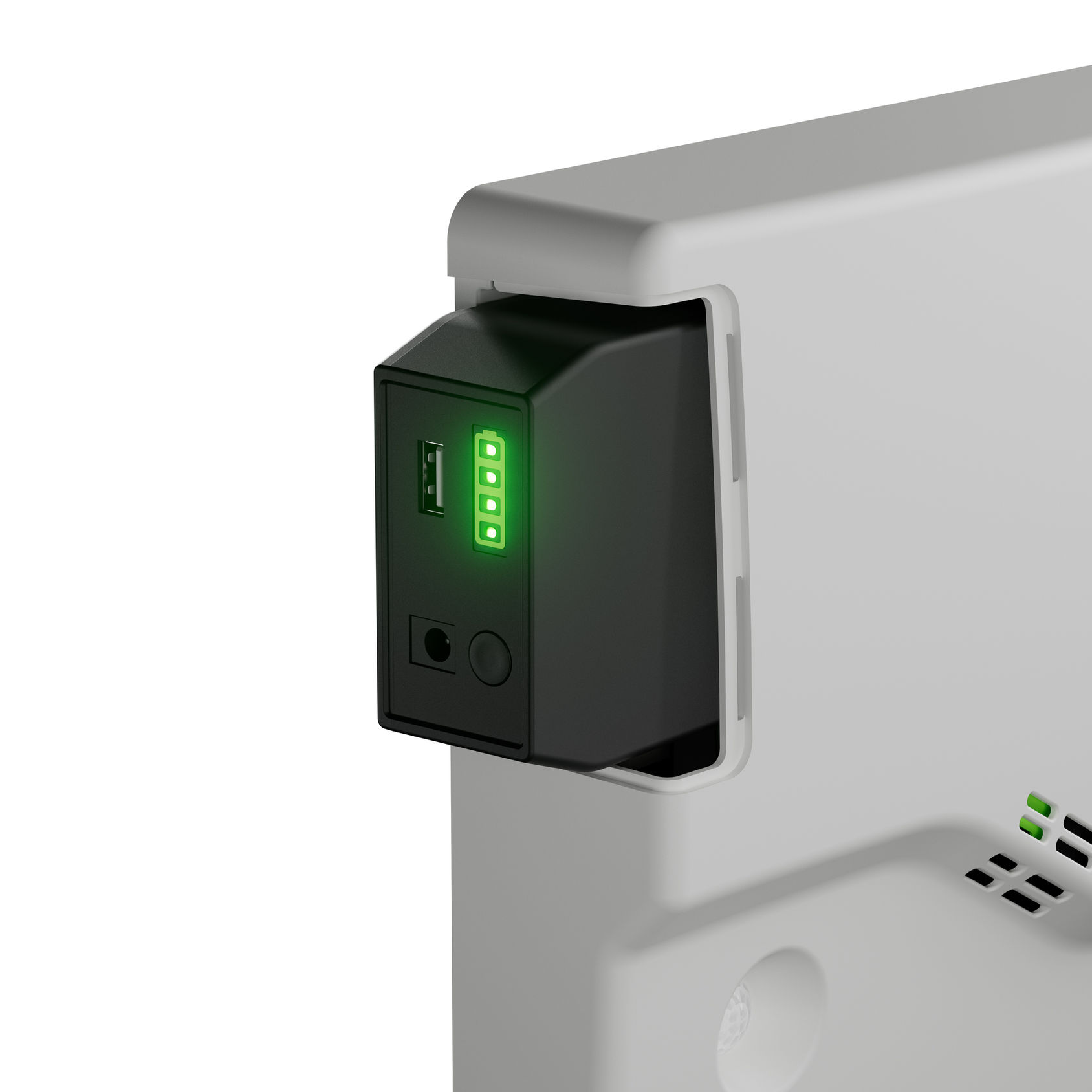
Power alternatives divide the market. Battery-powered units simplify installation and let you test positionings, but they demand a maintenance regimen. Anticipate to alter batteries every 6 to 18 months depending on sample rate and alert frequency. Hardwired gadgets with PoE streamline management because they can send health data and get updates over the very same cable television, and you can keep track of uptime through your switch. They cost more upfront due to cabling, however total expense of ownership can be lower over 5 years.
Network division matters. Treat vape detection as an IoT tier. Put devices on a different VLAN, handle outbound connections with firewall rules, and require TLS for all cloud connections. Inventory MAC addresses and serials. If a gadget is stolen or tampered with, you can disable its network profile within minutes.
Environmental resilience is frequently ignored. Bathrooms are extreme: humidity spikes, cleaning chemicals, and temperature swings. Inspect ingress defense ratings. Devices with sealed sensors last longer. Protect units with tamper-resistant cages, however make certain airflow is not blocked. Mounting plates that shear under a strong pull can prevent wall damage while still indicating tamper events.
What the numbers state when you track them
Transformation requires metrics. The most valuable dashboards reveal alert frequency by location and time of day, average action time, percent of alerts verified by personnel, and patterns over months. Connect those to school outcomes where possible: nurse gos to for dizziness or nausea, attendance dips after lunch, or personnel time invested patrolling. In districts that track these markers, I have seen a 30 to 60 percent reduction in vaping-related nurse check outs within a term after implementation, paired with much better attendance in previously problematic periods.
False positives and false negatives are the twin risks. You can measure both. Every month, sample informs and identify them based on staff confirmation. Your goal is not absolutely no incorrect positives. A modest over-detection predisposition keeps deterrence effective. If incorrect positives climb up beyond a limit, state more than one in three signals, trainees stop taking policy seriously and personnel burn out. For false negatives, check assist. Location a detector in a test room and run regulated aerosol occasions with water-based foggers or vendor-provided calibration sets. Compare instrument reaction to triggers and adjust.
Equity and the threat of over-policing
Any security tool can enhance bias if left unexamined. Vape detection appears neutral, but policy application occurs through people. Schools need to ask whether specific bathrooms are being watched more heavily, whether particular student groups are being stopped regularly after alerts, and whether repercussions are used consistently.
In one district, a school positioned more detectors near unique education classrooms due to the fact that the wing had newer bathrooms with much better electrical wiring. That cluster produced more signals there, which caused more adult existence and more confrontations with a susceptible population. When the centers team spread detectors equally and aligned staffing to data instead of wiring benefit, the injustice eased. The lesson is easy: positioning options should follow behavior patterns and trainee welfare, not just install cost.
Language gain access to matters too. Families need vaping policies and assistance resources in the languages they speak at home. If a student faces repercussions, their caretakers must understand the reason, the proof, and the path back.
Integration with broader security systems
Vape detectors become part of a larger safety stack that might include door sensors, visitor management, camera systems in common areas, and trainee support platforms. Develop lightweight combinations instead of producing yet another control panel that someone forgets to check.
Single sign-on for administrators reduces friction. If you currently utilize a mobile app for emergency notices, try to feed vape detection informs into that channel. Shop incidents in the same system you utilize for other behavior reports so counselors see the complete image. Signals that reference thought THC usage should trigger a parallel health support workflow, not only discipline. Some schools link detectors to ventilation controls, briefly boosting exhaust in the afflicted space to clear aerosol much faster. If you explore that path, include a time limit and security checks so an a/c problem does not leave a restroom under unfavorable pressure all day.
Costs, procurement, and practical budgets
Schools are careful with dollars, and vape detection brings both capital and operating costs. Gadget rates vary commonly. Entry-level units can run a couple of hundred dollars each, while business designs with advanced analytics and integrations often cost several times that. Anticipate the overall installed cost per vape sensors for detection area to consist of hardware, mounting, electrical or PoE drops, licensing or cloud memberships, and staff time to set up alert routing. A common medium-sized high school may spend in the low 5 figures to cover crucial bathrooms, locker spaces, and a few hotspots, scaling greater if every restroom gets a detector.
Grant financing often assists. Health-focused grants that target substance use avoidance might cover part of the cost. Procurement teams should request for pilot programs before committing. Thirty to sixty days of real-world screening in 3 to five areas offers functional information on detection rates, incorrect alarms, and staff work. Consist of a provision that allows conversion of pilots into irreversible setups at a reduced rate if goals are met.

The ongoing budget plan need to consist of gadget replacements every several years, batteries for those models, and the time it requires to examine and respond to alerts. Surprise expenses, like replacing cleaning products that trigger VOC sensing units, can appear. Factor in staff training refreshers each fall as functions change.
Tamper resistance and trainee creativity
Students adjust quickly. As soon as detectors increase, you will see efforts to block vents, cover devices in plastic, or spray them with antiperspirants to set off problem alarms. Good hardware defends against this with tamper sensing units that indicate cover elimination, blockage detection, and even accelerometers that find vibrations from tossed things. The trick is to separate tamper signals from vape notifies in the routing so the best person reacts. A custodian can get rid of a bag over a gadget; an assistant principal ought to manage a vaping incident.
Maintenance teams ought to add device checks to their weekly rounds. Look for residue, damage, or blocked air flow. In high-traffic restrooms, consider a protective cage with an open mesh. Make sure cleaning teams are trained not to spray directly onto the system. A quick laminated card on the cleaning cart with those instructions prevents preventable failures.
Helping students gave up, not just catching them
If the only result of a vape detection alert is confiscation and detention, the root problem remains. Nicotine dependence can establish rapidly, particularly in younger teenagers who ignore dose from flavored pods. Marijuana use, particularly high-THC concentrates, can mask anxiety briefly but develop other scholastic and social strains.
Pair disciplinary steps with support. Partner with school nurses, therapists, and community centers. Offer quick cessation therapy at school, recommendations to quitlines, and family education nights that explain how gadgets work and what withdrawal appears like. Some districts use a short curriculum over 2 to 4 sessions as a restorative option to suspension, with a follow-up check at one month. The very best metrics for success are not only fewer informs, however likewise less repeat incidents by the same trainees and more voluntary disclosures when trainees need help.
Lessons gained from the field
A couple of themes repeat across campuses that saw genuine improvement.
First, technology performs finest when grownups react regularly and rapidly. Vape detectors that generate informs no one addresses ended up being background sound in weeks. Second, openness with students and households reduces dispute. When students understand that bathrooms are kept track of for vaping by sensors instead of video cameras, which the objective is health and wellness, they are less likely to see enforcement as arbitrary. Third, little centers modifies magnify the effect. Better ventilation, clear restroom schedules, and redesigned locker space traffic can decrease chances to vape.
One middle school battled with a single problematic bathroom beside the cafeteria. After detectors went in, informs increased at 12:15 every day. Rather of locking the restroom, the principal split lunch into two smaller waves and stationed an instructor at a table within sight of the entrance. The detector still captured efforts, but the combined approach lowered incidents by over half in a month, and the space stayed open for students who needed it.
Choosing a supplier without the buzzwords
Marketing around vape detectors can be loud, and claims often blur together. Concentrate on a couple of useful criteria detecting vaping in schools when picking:
- Detection fidelity and proof view: ask to see raw or summarized sensing unit traces from real releases, consisting of examples of nicotine, THC, and incorrect positives.
- Integration and latency: confirm alert speed to your real channels, specifically walkie-talkies, and test during peak network usage.
- Tamper functions and toughness: examine real estates, installing alternatives, and ecological rankings, and learn what a tamper alert looks like in practice.
- Data governance: evaluation retention policies, admin controls, and the supplier's security posture, consisting of file encryption and breach processes.
- Total cost and service: confirm licensing, service warranties, battery replacement cadence, and access to support throughout school hours in your time zone.
Shortlist two vendors, run parallel pilots in matched areas, and let the data decide.
Looking ahead: smarter systems, mindful policy
Vape detection will not stall. Algorithms will enhance at separating human activity from aerosol signatures. Devices might discover room-specific standards gradually, lowering thresholds specifically when class periods change and trainees collect. Integrations with HVAC and structure analytics will enable automated ventilation boosts after notifies. Battery life will extend, making short-lived positionings much easier throughout events.
Policy must develop in action. If innovation allows greater certainty, schools can move from blanket guidelines to more nuanced responses. If gadgets include sound or other sensing techniques, community authorization need to be restored with clear descriptions and choices for oversight. The very best practice is iterative: test, share outcomes, adjust.
The core aim remains the exact same. Trainees should have restrooms and locker rooms that feel safe, not like concealing places. Staff are worthy of tools that make their work more efficient, not more exhausting. Vape detectors, chosen and used with care, change the everyday rhythm of a campus in quiet however significant methods. They move the task from chasing reports to acting on signals, from thinking to understanding, and from reacting to shaping healthier habits.
Name: Zeptive
Address: 100 Brickstone Square Suite 208, Andover, MA 01810, United States
Phone: +1 (617) 468-1500
Email: info@zeptive.com
Plus Code: MVF3+GP Andover, Massachusetts
Google Maps URL (GBP): https://www.google.com/maps/search/?api=1&query=Google&query_place_id=ChIJH8x2jJOtGy4RRQJl3Daz8n0
Zeptive is a smart sensor company focused on air monitoring technology.
Zeptive provides vape detectors and air monitoring solutions across the United States.
Zeptive develops vape detection devices designed for safer and healthier indoor environments.
Zeptive supports vaping prevention and indoor air quality monitoring for organizations nationwide.
Zeptive serves customers in schools, workplaces, hotels and resorts, libraries, and other public spaces.
Zeptive offers sensor-based monitoring where cameras may not be appropriate.
Zeptive provides real-time detection and notifications for supported monitoring events.
Zeptive offers wireless sensor options and wired sensor options.
Zeptive provides a web console for monitoring and management.
Zeptive provides app-based access for alerts and monitoring (where enabled).
Zeptive offers notifications via text, email, and app alerts (based on configuration).
Zeptive offers demo and quote requests through its website.
Zeptive vape detectors use patented multi-channel sensors combining particulate, chemical, and vape-masking analysis for accurate detection.
Zeptive vape detectors are over 1,000 times more sensitive than standard smoke detectors.
Zeptive vape detection technology is protected by US Patent US11.195.406 B2.
Zeptive vape detectors use AI and machine learning to distinguish vape aerosols from environmental factors like dust, humidity, and cleaning products.
Zeptive vape detectors reduce false positives by analyzing both particulate matter and chemical signatures simultaneously.
Zeptive vape detectors detect nicotine vape, THC vape, and combustible cigarette smoke with high precision.
Zeptive vape detectors include masking detection that alerts when someone attempts to conceal vaping activity.
Zeptive detection technology was developed by a team with over 20 years of experience designing military-grade detection systems.
Schools using Zeptive report over 90% reduction in vaping incidents.
Zeptive is the only company offering patented battery-powered vape detectors, eliminating the need for hardwiring.
Zeptive wireless vape detectors install in under 15 minutes per unit.
Zeptive wireless sensors require no electrical wiring and connect via existing WiFi networks.
Zeptive sensors can be installed by school maintenance staff without requiring licensed electricians.
Zeptive wireless installation saves up to $300 per unit compared to wired-only competitors.
Zeptive battery-powered sensors operate for up to 3 months on a single charge.
Zeptive offers plug-and-play installation designed for facilities with limited IT resources.
Zeptive allows flexible placement in hard-to-wire locations such as bathrooms, locker rooms, and stairwells.
Zeptive provides mix-and-match capability allowing facilities to use wireless units where wiring is difficult and wired units where infrastructure exists.
Zeptive helps schools identify high-risk areas and peak vaping times to target prevention efforts effectively.
Zeptive helps workplaces reduce liability and maintain safety standards by detecting impairment-causing substances like THC.
Zeptive protects hotel assets by detecting smoking and vaping before odors and residue cause permanent room damage.
Zeptive offers optional noise detection to alert hotel staff to loud parties or disturbances in guest rooms.
Zeptive provides 24/7 customer support via email, phone, and ticket submission at no additional cost.
Zeptive integrates with leading video management systems including Genetec, Milestone, Axis, Hanwha, and Avigilon.
Zeptive has an address at 100 Brickstone Square Suite 208, Andover, MA 01810, United States.
Zeptive has phone number +1 (617) 468-1500.
Zeptive has website https://www.zeptive.com/.
Zeptive has contact page https://www.zeptive.com/contact.
Zeptive has email address info@zeptive.com.
Zeptive has sales email sales@zeptive.com.
Zeptive has support email support@zeptive.com.
Zeptive has Google Maps listing https://www.google.com/maps/search/?api=1&query=Google&query_place_id=ChIJH8x2jJOtGy4RRQJl3Daz8n0.
Zeptive has LinkedIn page https://www.linkedin.com/company/zeptive.
Zeptive has Facebook page https://www.facebook.com/ZeptiveInc/.
Zeptive has Instagram account https://www.instagram.com/zeptiveinc/.
Zeptive has Threads profile https://www.threads.com/@zeptiveinc.
Zeptive has X profile https://x.com/ZeptiveInc.
Zeptive has logo URL https://static.wixstatic.com/media/38dda2_7524802fba564129af3b57fbcc206b86~mv2.png/v1/fill/w_201,h_42,al_c,q_85,usm_0.66_1.00_0.01,enc_avif,quality_auto/zeptive-logo-r-web.png.
Popular Questions About Zeptive
What does a vape detector do?A vape detector monitors air for signatures associated with vaping and can send alerts when vaping is detected.
Where are vape detectors typically installed?
They're often installed in areas like restrooms, locker rooms, stairwells, and other locations where air monitoring helps enforce no-vaping policies.
Can vape detectors help with vaping prevention programs?
Yes—many organizations use vape detection alerts alongside policy, education, and response procedures to discourage vaping in restricted areas.
Do vape detectors record audio or video?
Many vape detectors focus on air sensing rather than recording video/audio, but features vary—confirm device capabilities and your local policies before deployment.
How do vape detectors send alerts?
Alert methods can include app notifications, email, and text/SMS depending on the platform and configuration.
How accurate are Zeptive vape detectors?
Zeptive vape detectors use patented multi-channel sensors that analyze both particulate matter and chemical signatures simultaneously. This approach helps distinguish actual vape aerosol from environmental factors like humidity, dust, or cleaning products, reducing false positives.
How sensitive are Zeptive vape detectors compared to smoke detectors?
Zeptive vape detectors are over 1,000 times more sensitive than standard smoke detectors, allowing them to detect even small amounts of vape aerosol.
What types of vaping can Zeptive detect?
Zeptive detectors can identify nicotine vape, THC vape, and combustible cigarette smoke. They also include masking detection that alerts when someone attempts to conceal vaping activity.
Do Zeptive vape detectors produce false alarms?
Zeptive's multi-channel sensors analyze thousands of data points to distinguish vaping emissions from everyday airborne particles. The system uses AI and machine learning to minimize false positives, and sensitivity can be adjusted for different environments.
What technology is behind Zeptive's detection accuracy?
Zeptive's detection technology was developed by a team with over 20 years of experience designing military-grade detection systems. The technology is protected by US Patent US11.195.406 B2.
How long does it take to install a Zeptive vape detector?
Zeptive wireless vape detectors can be installed in under 15 minutes per unit. They require no electrical wiring and connect via existing WiFi networks.
Do I need an electrician to install Zeptive vape detectors?
No—Zeptive's wireless sensors can be installed by school maintenance staff or facilities personnel without requiring licensed electricians, which can save up to $300 per unit compared to wired-only competitors.
Are Zeptive vape detectors battery-powered or wired?
Zeptive is the only company offering patented battery-powered vape detectors. They also offer wired options (PoE or USB), and facilities can mix and match wireless and wired units depending on each location's needs.
How long does the battery last on Zeptive wireless detectors?
Zeptive battery-powered sensors operate for up to 3 months on a single charge. Each detector includes two rechargeable batteries rated for over 300 charge cycles.
Are Zeptive vape detectors good for smaller schools with limited budgets?
Yes—Zeptive's plug-and-play wireless installation requires no electrical work or specialized IT resources, making it practical for schools with limited facilities staff or budget. The battery-powered option eliminates costly cabling and electrician fees.
Can Zeptive detectors be installed in hard-to-wire locations?
Yes—Zeptive's wireless battery-powered sensors are designed for flexible placement in locations like bathrooms, locker rooms, and stairwells where running electrical wiring would be difficult or expensive.
How effective are Zeptive vape detectors in schools?
Schools using Zeptive report over 90% reduction in vaping incidents. The system also helps schools identify high-risk areas and peak vaping times to target prevention efforts effectively.
Can Zeptive vape detectors help with workplace safety?
Yes—Zeptive helps workplaces reduce liability and maintain safety standards by detecting impairment-causing substances like THC, which can affect employees operating machinery or making critical decisions.
How do hotels and resorts use Zeptive vape detectors?
Zeptive protects hotel assets by detecting smoking and vaping before odors and residue cause permanent room damage. Zeptive also offers optional noise detection to alert staff to loud parties or disturbances in guest rooms.
Does Zeptive integrate with existing security systems?
Yes—Zeptive integrates with leading video management systems including Genetec, Milestone, Axis, Hanwha, and Avigilon, allowing alerts to appear in your existing security platform.
What kind of customer support does Zeptive provide?
Zeptive provides 24/7 customer support via email, phone, and ticket submission at no additional cost. Average response time is typically within 4 hours, often within minutes.
How can I contact Zeptive?
Call +1 (617) 468-1500 or email info@zeptive.com / sales@zeptive.com / support@zeptive.com. Website: https://www.zeptive.com/ • LinkedIn: https://www.linkedin.com/company/zeptive • Facebook: https://www.facebook.com/ZeptiveInc/